Lip discoloration can be more than just a change in appearance. In some cases, lip color and associated conditions reveal the effects of dehydration and daily habits, while in others, it may be linked to vitamin deficiencies or other health problems that require attention. Therefore, noticing any change in the natural color of your lips is an important step in maintaining lip health and addressing the cause early before the problem worsens.
At Sweet Lips, we are committed to providing a diverse range of lip care products that help with daily hydration and protect lips from dryness and external factors that can affect their color and texture. In this guide, you will learn about the relationship between lip color and health conditions, the most prominent causes of lip discoloration, when discoloration is normal, when to consult a doctor, and essential tips for maintaining healthy, even-toned lips.
Natural pink color for lips:
The natural color of the lips is one indicator of their health and whether they are adequately moisturized and nourished. Natural lip color varies from person to person depending on genetics and skin tone, so there is no single color that can be considered the standard for everyone. However, healthy lips are often uniform in color, soft to the touch, and free from cracks or unnatural discoloration.
When discussing lip color and diseases, it is important first to know the normal shape of the lips so that any changes that may occur over time can be easily noticed.
What is meant by natural lip color?
Naturally healthy lips are typically pink or light brownish-pink in color, with a clear uniformity between the upper and lower lips. They also retain their elasticity and moisture, indicating good blood circulation and proper care.
Differences in skin color between people do not necessarily indicate a health problem; rather, they depend on several factors, the most important of which are:
- Natural skin tone.
- Genetic factors.
- The amount of melanin pigment.
- Lifestyle.
- Daily hydration level.
Why does lip color change over time?
Even in healthy individuals, lip discoloration can occur gradually due to continuous exposure to environmental factors such as sunlight, dry air, or insufficient water intake. Aging can also lead to subtle changes in lip appearance due to decreased collagen production and a reduced ability to retain moisture.
But if the lip discoloration is rapid or accompanied by other symptoms, it may be necessary to look for the real cause and not just focus on external care.
How to maintain your natural lip color?
Maintaining a natural lip color doesn't require complicated steps, but rather depends on a simple and consistent daily routine, which includes:
- Use a suitable lip balm several times a day.
- Drink enough water.
- Protecting the lips from the sun's rays.
- Remove makeup before going to sleep.
- Gently exfoliate your lips when needed.
These habits not only maintain an aesthetic appearance, but also support lip health and reduce the chances of pigmentation occurring.
If you want to choose a lip balm that helps maintain the natural color of your lips and provides the appropriate hydration according to their nature, check out the article: Best Lip Balm: A Guide to Choosing the Right Balm for Every Lip Type.
Causes of lip discoloration:
Once you understand your natural lip color, it becomes easier to understand the reasons behind any changes. It's important to know that a change in lip color doesn't always indicate illness, but it can be a message from your body suggesting a need to adjust certain daily habits or pay closer attention to your health.
Therefore, understanding the relationship between lip color and diseases helps to deal with the problem at its root rather than focusing only on the external appearance.
Chronic dryness and its effect on lip color
Dryness is one of the most common causes of lip discoloration, as the loss of moisture leads to chapped lips and a buildup of dead skin, which makes them appear darker or paler than their normal state.
Neglecting to moisturize for extended periods can increase the likelihood of pigmentation, so using a suitable moisturizer is an essential part of maintaining healthy lips.
Continuous exposure to sunlight
The lips have a thin layer of skin, making them more susceptible to the effects of ultraviolet radiation. With repeated sun exposure without protection, melanin production may increase, leading to lip discoloration and gradual darkening.
For this reason, it is advisable to use a lip balm that contains a sun protection factor, especially when going out during the day.
Vitamin and mineral deficiencies
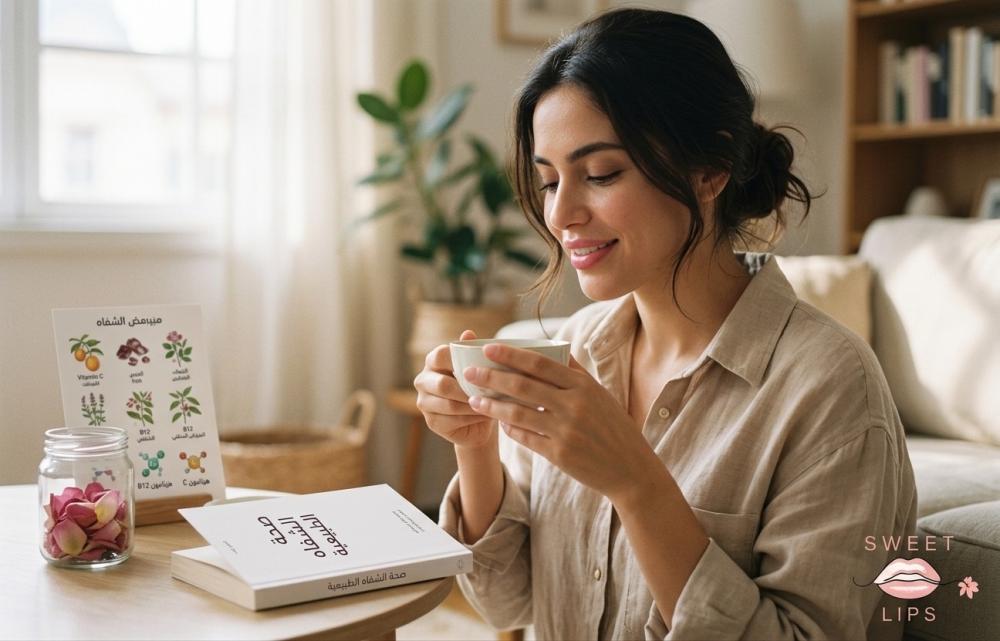
When discussing lip color and related health conditions, the role of nutrition cannot be ignored. Certain vitamin deficiencies, such as vitamin B12, iron, or folic acid, can affect lip color, making them appear pale or dull.
In these cases, it is not enough to use care products alone; the underlying nutritional cause must be addressed to achieve sustainable results.
Smoking and daily habits
Smoking directly affects lip color due to the chemicals in cigarettes, which can increase pigmentation over time. Habits like constantly licking the lips or picking at flaky skin can also negatively impact lip health and may gradually lead to discoloration.
Some health conditions
Sometimes, lip color and disease may be related to health conditions that require medical evaluation, especially if the discoloration is accompanied by symptoms such as extreme fatigue, shortness of breath, dizziness, or pain.
Therefore, noticing any unusual change in lip color that persists for a long time should not be ignored, because early diagnosis helps to deal with the cause better.
When should you consult a doctor?
After learning about the relationship between lip color and diseases, and the most common causes of lip discoloration, some may wonder: Does every change in lip color require a doctor's visit? The answer is no. Many cases are related to simple factors such as dryness, sun exposure, or lack of daily care, and improve once these habits are modified.
However, on the other hand, there are some cases in which a change in lip color may be a sign of a health problem that needs diagnosis and treatment, especially if the change persists for a long time or is accompanied by the appearance of other symptoms.
When lip discoloration persists without a clear cause
If you notice that your natural lip color has started to gradually change without sun exposure or dryness, and this change has continued for several weeks despite adhering to a lip care routine, it is best to consult a doctor to find out the cause.
Continuing to use moisturizing products alone will not be enough if the cause of the discoloration is related to an internal health problem.
If the color change is accompanied by other symptoms
The link between lip color and disease increases when the color change is accompanied by unusual symptoms, such as:
- Constant fatigue.
- Frequent dizziness.
- shortness of breath.
- pallor.
- Loss of appetite.
- Weight loss without a clear cause.
These symptoms may indicate vitamin deficiencies, iron deficiency, or other health problems, so they should not be ignored.
Appearance of abnormal spots or pigmentation
Dark spots or areas of different colors may sometimes appear on the lips; this is not always a serious sign, but it warrants evaluation if:
- Its size increased over time.
- Its color changed rapidly.
- It became painful.
- It is accompanied by bleeding or ulcers.
- It didn't disappear over several weeks.
In this case, the doctor helps to determine whether it is just lip discoloration caused by external factors or whether it requires further examination.
Lip color changed to blue or white
One of the cases that should not be postponed is a sudden change in lip color to blue or white, especially if it is accompanied by difficulty breathing, chest pain, or severe weakness.
Although these cases are not common, they may be related to problems with blood circulation or oxygen deficiency, so they require prompt medical intervention.
Do not rely on self-diagnosis
Many people look for pictures or articles linking lip color to diseases in an attempt to diagnose themselves, but this can lead to anxiety or neglect of a real problem.
Therefore, use the information for awareness purposes only. The final diagnosis should be made by a specialist doctor, especially if the problem persists or recurs noticeably.
Ways to maintain healthy lips:
Whether your natural lip color is even or you're experiencing lip discoloration, prevention is always better than cure. Following a simple daily lip care routine helps maintain the appearance and health of your lips, and reduces the likelihood of developing pigmentation, dryness, or chapping.
Maintain daily hydration
Moisturizing is the cornerstone of lip care, as it maintains skin elasticity and prevents moisture loss that leads to dryness and discoloration.
Make sure to use a suitable moisturizer several times a day, especially:
- After washing your face.
- Before going to sleep.
- After eating.
- When exposed to dry air.
- Before going out during the day.
Continuing this habit helps maintain the natural lip color for a longer period.
Drink enough water
Lip hydration is not limited to external products only, but starts from within the body.
Getting an adequate amount of water daily helps support lip health and reduces the chances of dryness, and gives lips a fuller and fresher appearance.
Pay attention to balanced nutrition.
Nutrition plays an important role in preventing vitamin deficiencies that may affect the appearance of the lips.
Make sure to eat foods rich in:
- Iron.
- Vitamin B12.
- Folic acid.
- Vitamin C.
- Zinc.
These elements help to support cell regeneration and maintain healthy skin and lips.
Protect your lips from external factors
Because lips are more sensitive than the rest of the face, they need constant protection from:
- Sunlight.
- cold air.
- The wind.
- Drought.
- High temperatures.
Using a moisturizer that contains sunscreen is one of the best ways to maintain the natural color of the lips and reduce the chances of pigmentation.
Avoid habits that harm the lips
Some habits may seem simple, but they clearly affect lip health over time, such as:
- Licking the lips constantly.
- Peel back the peeling skin by hand.
- Smoking.
- Using poor quality products.
- Neglecting to remove cosmetics before going to sleep.
Avoiding these habits helps to reduce lip discoloration and maintain a healthy and uniform appearance.
Monitor for any new changes
It is helpful to pay attention to the color of your lips from time to time, especially if you have a health problem or are taking medication for long periods of time.
Early detection of any change helps to quickly identify the cause and take appropriate steps before the problem develops.
Conclusion:
The link between lip color and health conditions demonstrates that lips are not merely an aesthetic element, but can reflect a great deal about the body's overall health. In most cases, lip discoloration is related to simple factors such as dryness, sun exposure, or vitamin deficiencies, and can be improved by adhering to a comprehensive lip care routine. However, if the discoloration persists or is accompanied by other unusual symptoms, consulting a doctor remains the best course of action to obtain an accurate diagnosis.
At Sweet Lips, we help you maintain your natural lip color through a selection of moisturizers and lip care products that support daily hydration and protect lips from external factors, so you can enjoy healthy, soft, and more vibrant lips every day.